




Leadership development is a significant investment, but when an executive asks if it’s working, can you answer with confidence?
Too often, program sponsors walk away from a leadership initiative with participant satisfaction scores and not much else. Insight Experience's Insights & Analytics offering changes that.
Here are five questions every leadership development program should be able to answer and how data from your program can get you there.
1. Is our leadership development changing behavior?
Feedback forms tell you whether people enjoyed the experience, but they don't tell you whether anything changed.
Insights & Analytics goes deeper. By analyzing how participants make decisions inside the simulation — how they allocate resources, respond to team dynamics, and navigate competing priorities — we surface patterns in actual leadership behavior. Instead of looking at what people said they would do, we’re examining what they did.
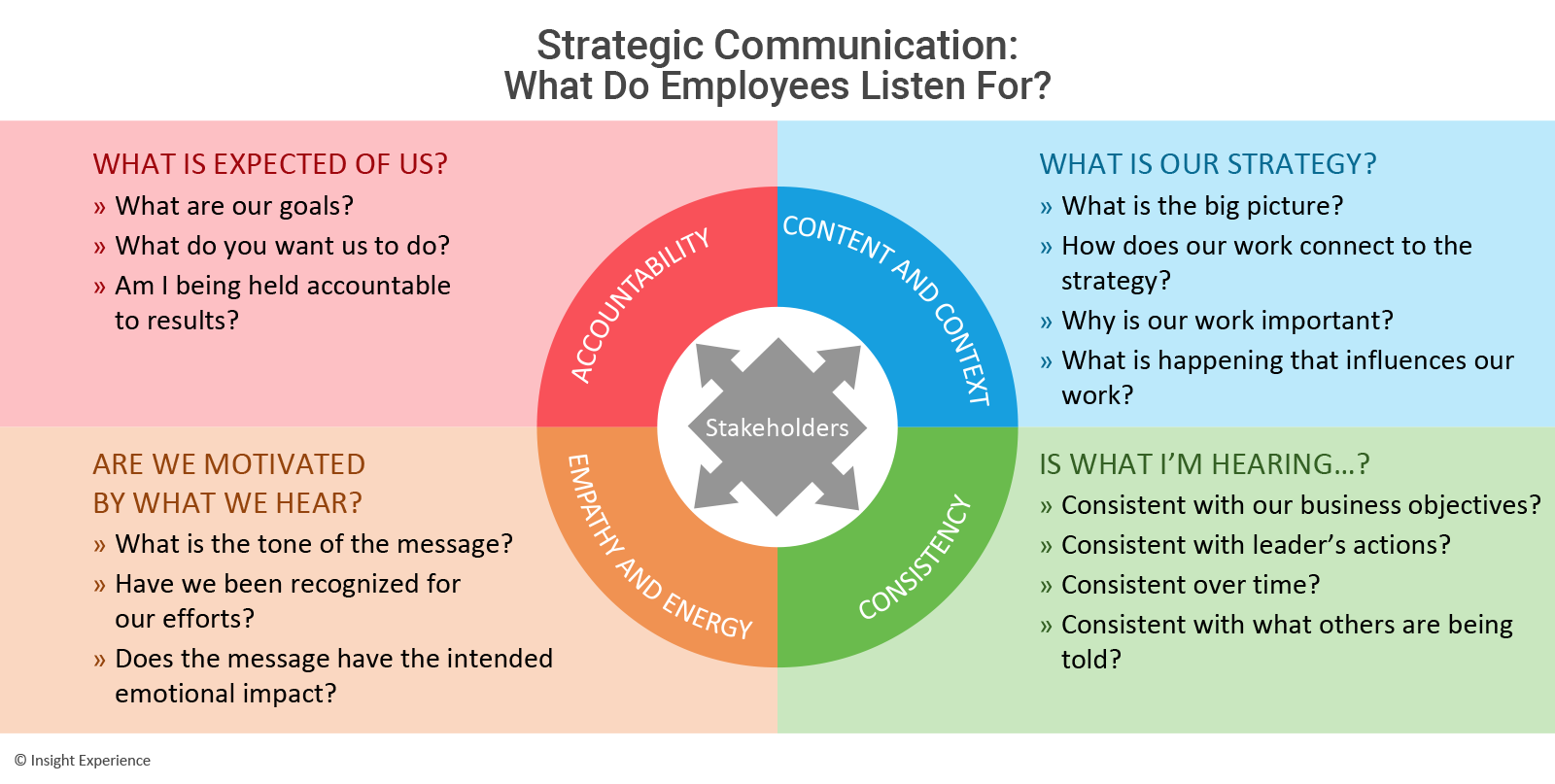
In one program, we tracked how leaders communicated across two rounds of the simulation using our Strategic Communication Model™. Before any coaching or feedback, fewer than half of teams scored above average on the strategic dimension. Most missed the opportunity to connect their team's work to broader goals or explain the "why" behind their direction. After one round of practice and debrief, communication effectiveness improved for 95% of teams across every dimension. The behavior had measurably changed.
That distinction matters when you're making the case that a program is worth continuing.
2. Where are our leaders strongest? And where are the gaps?
Most organizations have a sense that certain leadership capabilities are underdeveloped. Fewer have data to back it up.
Through our simulation methodology, we analyze decision-making patterns across your participant group to reveal where leaders are consistently strong and where targeted development is still needed. This moves the conversation from "we think our managers struggle with X" to "here's what the data shows."
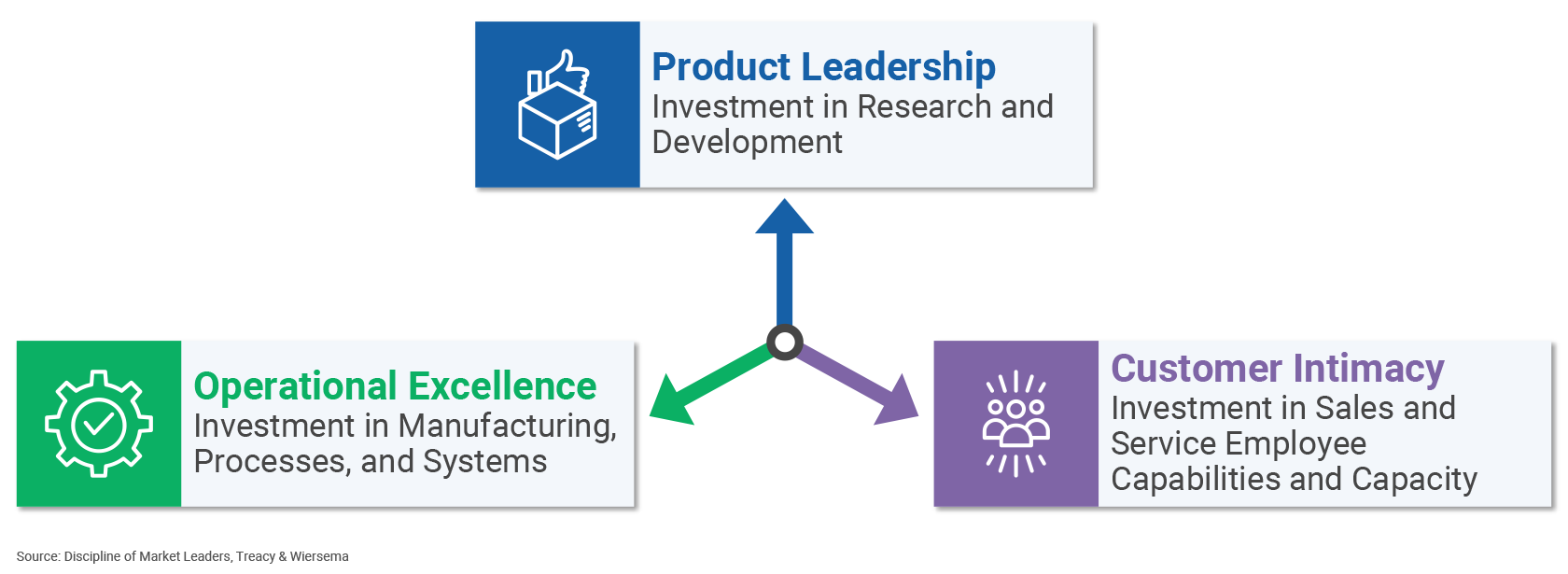
In a recent program, our analysis revealed that leaders clustered heavily toward operational excellence as a default strategy, not because it was the right choice for their context but because it was the path of least resistance. Using Treacy & Wiersema's value discipline framework — Product Leadership, Operational Excellence, and Customer Intimacy — we could see that customer intimacy, the hardest discipline to sustain, was the least prevalent across the group. That's not a gap so much as a default. The development opportunity is building the mindset and muscle to lead outside their comfort zone when the strategy demands it.
This kind of data gives you something actionable: a clearer picture of where to focus next.
3. How are our leaders communicating with their teams?
Leadership shows up in conversations as much as in strategy. But most organizations only measure what leaders say in formal communications, not how they show up in the live, high-stakes moments that shape team trust and performance.
Our Strategic Communication Model™ captures how leaders communicate in writing. But communication also shows up in live conversation, and we measure that too.
In one program, role play characters rated leaders on a consistent rubric after each conversation. Leaders performed strongest when framing the conversation and demonstrating curiosity but consistently struggled to deliver direct feedback and summarize clear next steps. The pattern was especially pronounced when leaders were coaching a lower performer: Feedback was softened, next steps were vague, and the development opportunity was missed.
That gap, the one between knowing what a good conversation looks like and having it, is exactly what this kind of data makes visible.

4. What's the ROI on this investment?
This is often the hardest question to answer. And it’s the most important one to get right.
Consider this: Participants in one leadership development program had a 2x promotion rate compared to their peers. In another, retention among program alumni reached 93% against an 87% industry average, and senior executives credited the program as a direct contributor.
We work with program sponsors to design measurement strategies aligned to their specific goals, whether that's retention, promotion rates, or business performance. In some programs, we go further, partnering with clients to tag participant goals directly to the program so leadership behaviors can be tracked through to new initiatives delivered by alumni. The result is a report you can bring to leadership that connects the development experience to outcomes that matter to the business.

5. How do we take this to the executive team with confidence?
Sponsors receive data-driven insights, ready to bring into executive conversations, that enhance credibility and align leadership development strategy with organizational goals. The goal is to give you the confidence to advocate for the work.
Consider this finding from a recent program: Before the program even began, 18% of senior leaders identified self-doubt or lack of confidence as their primary barrier to leadership effectiveness. That pattern showed up in the data too: When asked in simulated leadership conversations to advocate for their point of view directly with the CEO, most deferred. Rather than entering the conversation with a clear position, they sought permission or softened their stance, even when they had the data to support them. It was a confidence and culture pattern, and it was one the executive team hadn't previously been able to see or name. That's the kind of finding that changes a conversation at the top.

The Bottom Line
Leadership development shouldn't be something you do because it checks a box. With Insights & Analytics, you can capture the real value to your organization and make the case with confidence.
If you're ready to make your leadership development program measurable and defensible, we'd love to talk.