




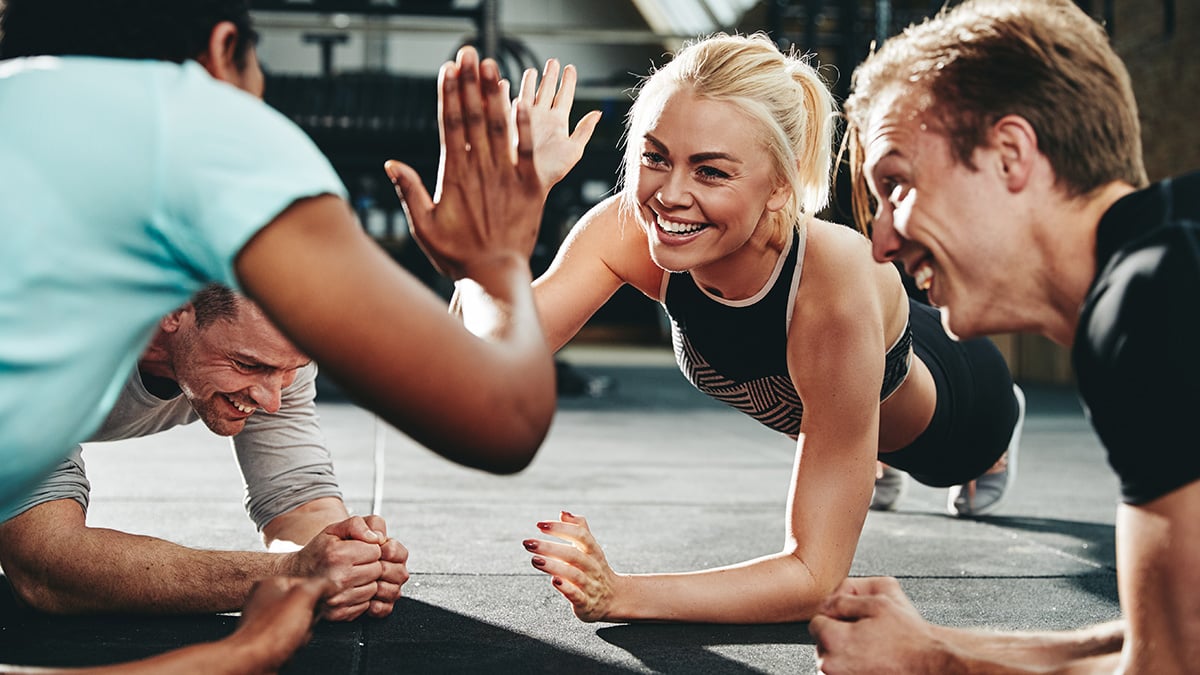
Small-group fitness training continues to grow in popularity. People join because it works: Results improve, consistency increases, and motivation stays high over time. The environment drives the outcome.
When you bring a group of people together, give them a shared challenge, and support them with the right coach, progress accelerates. The same dynamic shows up in leadership development through Challenge Circles, small-group coach facilitation experiences.
Leadership development works best when it connects directly to the work. Challenge Circles do exactly that by bringing small groups of leaders together every four to six weeks, virtually or in person, with an experienced coach who helps them work through real challenges, sharpen their thinking, and push each other's thinking.
Both experiences are built on the same idea. People learn faster when they learn together, through action, with clear feedback.
A Shared Challenge Drives Engagement
Small-group fitness training is built around effort. Participants expect to be pushed. The workout is designed to stretch their current ability.
Leadership development via coaching circles works the same way. Participants have the opportunity to bring and debate real business challenges that require decisions, trade-offs, and action. The reality and business implications create focus. It gives the group a reason to engage and stay present.
A shared challenge builds momentum. It turns individual effort into group energy.
Diverse Perspectives Improve Learning
Every fitness group includes people with different strengths and experience levels. Some move faster, and some lift heavier.
In leadership settings, diversity shows up in functional expertise, leadership history and tenure, career trajectory, thinking styles, communication approaches, and decision-making. This variety improves learning. Participants see multiple ways to approach the same problem.
They begin to adjust their own approach based on what they observe. Learning expands beyond personal experience and becomes collective.
Coaching Extends Beyond the Individual
In small-group fitness training, one coach supports the entire group. They give direction, correct form, and provide encouragement.
Learning does not happen only during direct coaching. It also happens when participants watch others receive feedback. They hear cues, see adjustments, and apply those lessons to their own performance.
Leadership development follows the same pattern. Coach facilitators guide the experience, but much of the value comes from group discussion and shared reflection. Participants learn from and inspire each other in real time.
Learning Happens Through Action
Fitness requires movement. Reading about technique is helpful, but improvement comes from doing the work.
Leadership skills develop in the same way. Participants need to practice decision-making, communication, and problem-solving. Challenge Circles create an opportunity for leaders to bring real challenges that the group works through together and reflect on potential outcomes.
This cycle of action and feedback strengthens retention and builds capability.
Accountability Comes from the Group
Group settings create a natural level of accountability. People show up because others are expecting them. They push through the end of the workout because their peers did.
This dynamic increases consistency. It raises effort levels without the need for external pressure.
In leadership development, group accountability improves participation and focus. It keeps the experience active and relevant for everyone involved.
Progress Becomes Clear Over Time
In fitness, progress is visible. Strength increases, endurance improves, and movements become more efficient.
In leadership development, progress shows up in faster, more aligned decision-making, clearer communication, and stronger alignment within teams. Challenge Circles create a forum for leaders to share their journey and reflect on their progress over time, with a trusted group of peers.
Confidence Builds Through Experience
Confidence grows through repetition and success. In fitness, participants often realize they can handle more than they expected. They increase weight or do an extra set.
The same is true in leadership. When individuals work through complex challenges and contribute to group outcomes, they gain confidence in their ability to lead.
This confidence carries forward into real work situations. It changes how people approach problems and interact with others.
***
Small-group fitness training works because it combines challenge, structure, coaching, and community. Challenge Circles use the same approach. When people learn together, practice together, and reflect together, the impact is stronger and more lasting.